Ryan Scott Dancey, project leader on the upcoming Pathfinder Online MMO and former GM for CCP, has defended subscription models for online games in a guest post on MMORPG.com.
Speaking out after recent criticism of The Elder Scrolls Online’s model, Dancey highlighted the continued success of subscription plans, emphasising the need to combine traditional models with micro-transactions.
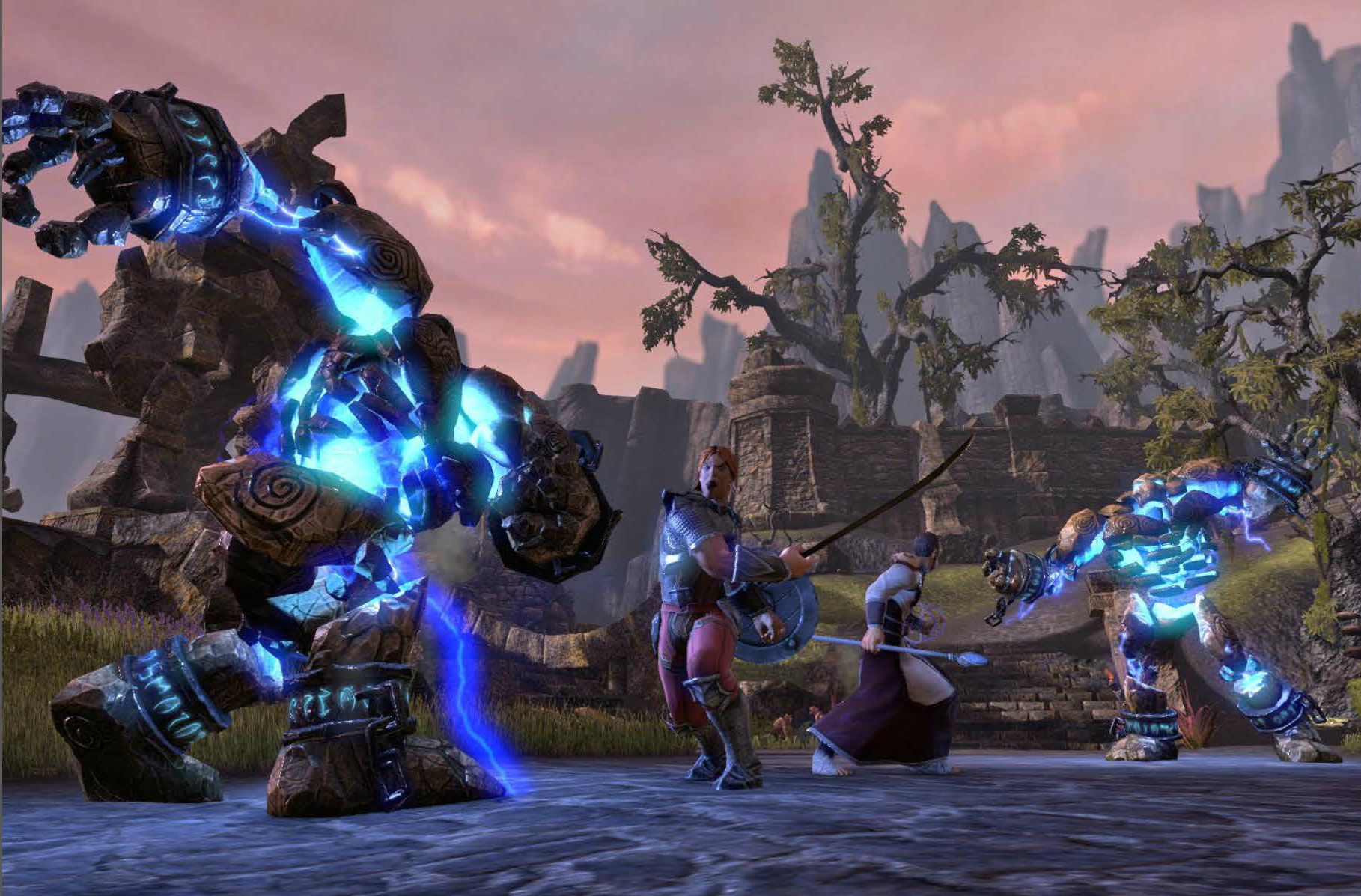
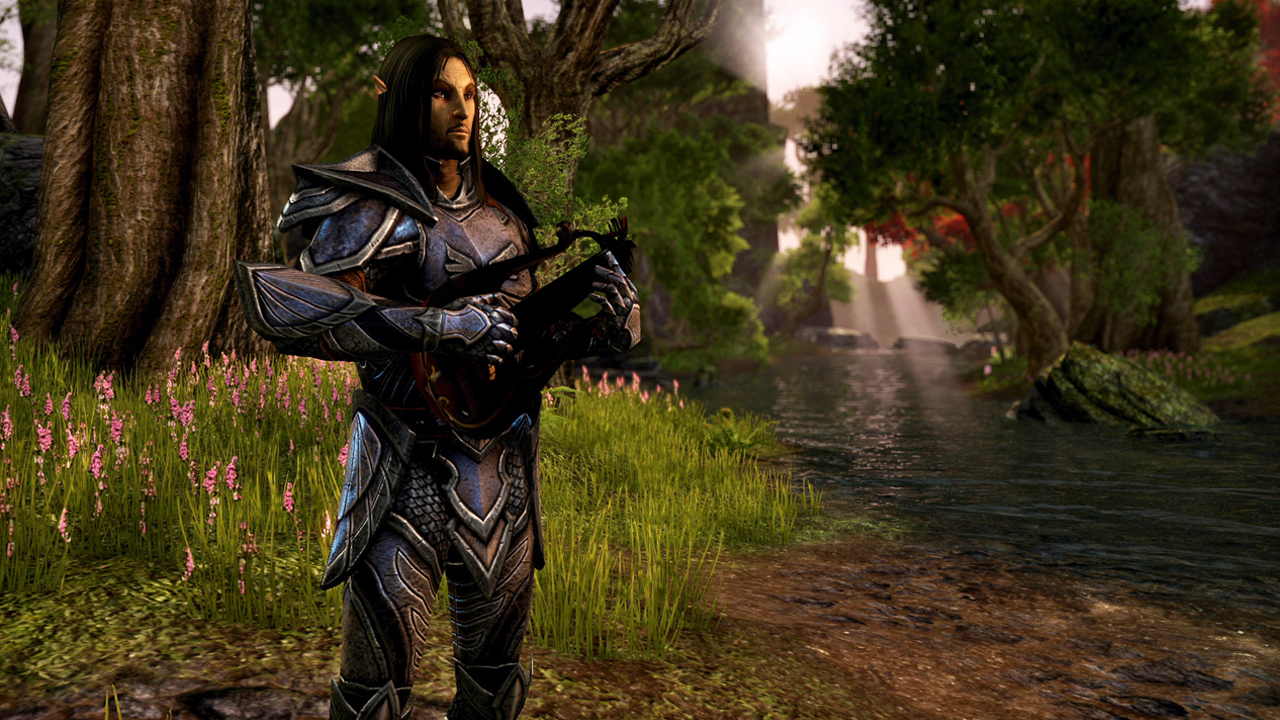
Dancey’s post was a riposte to Paul Tassi’s article on Forbes.com, which suggested The Elder Scrolls Online would be one of the biggest disasters of 2014 thanks to its monthly fee system.
”I agree with Tassi that multi-hundred million dollar MMO budgets are unlikely to generate enough long term success to justify the risk involved,” says Dancey, ”but I take issue with Tassi’s dismissal of the classic subscription model for monetization.”
If we consider the MMOs that generate the most revenue in the Western market (North America, Europe, Russia, and Australia / New Zealand) a sizeable majority of the revenue being generated is in the form of monthly subscriptions.
He goes on to explain why the thinks customers are still happy to use the subscription model. ”People like the ease of not having to worry about paying to play a game every time they log in. They like the idea of paying a known, fixed price and not feeling required to “pay to win” when they play. Subscription services are extremely commonplace: cell phones; cable/internet service; Hulu; Netflix; health clubs, etc. are a common facet of everyday life.”
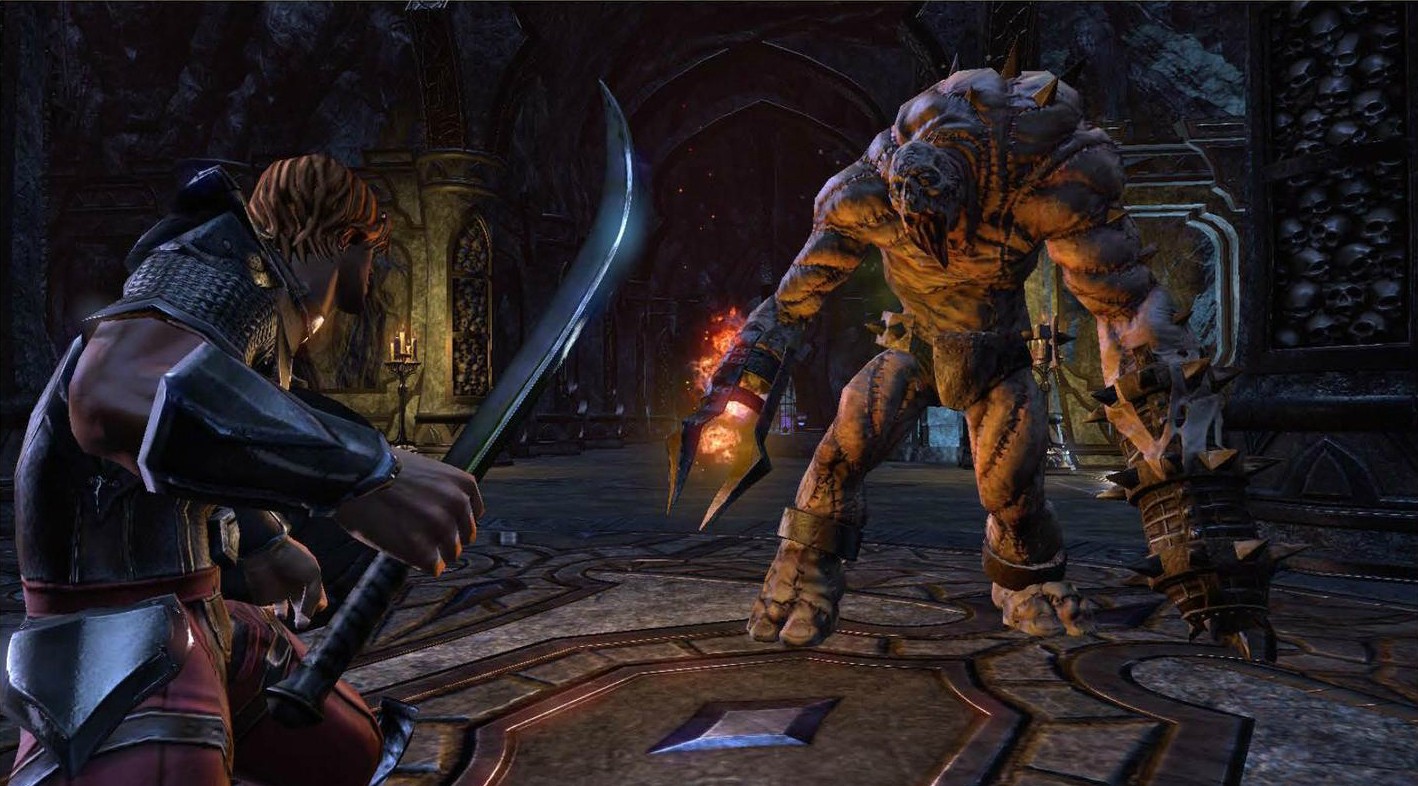
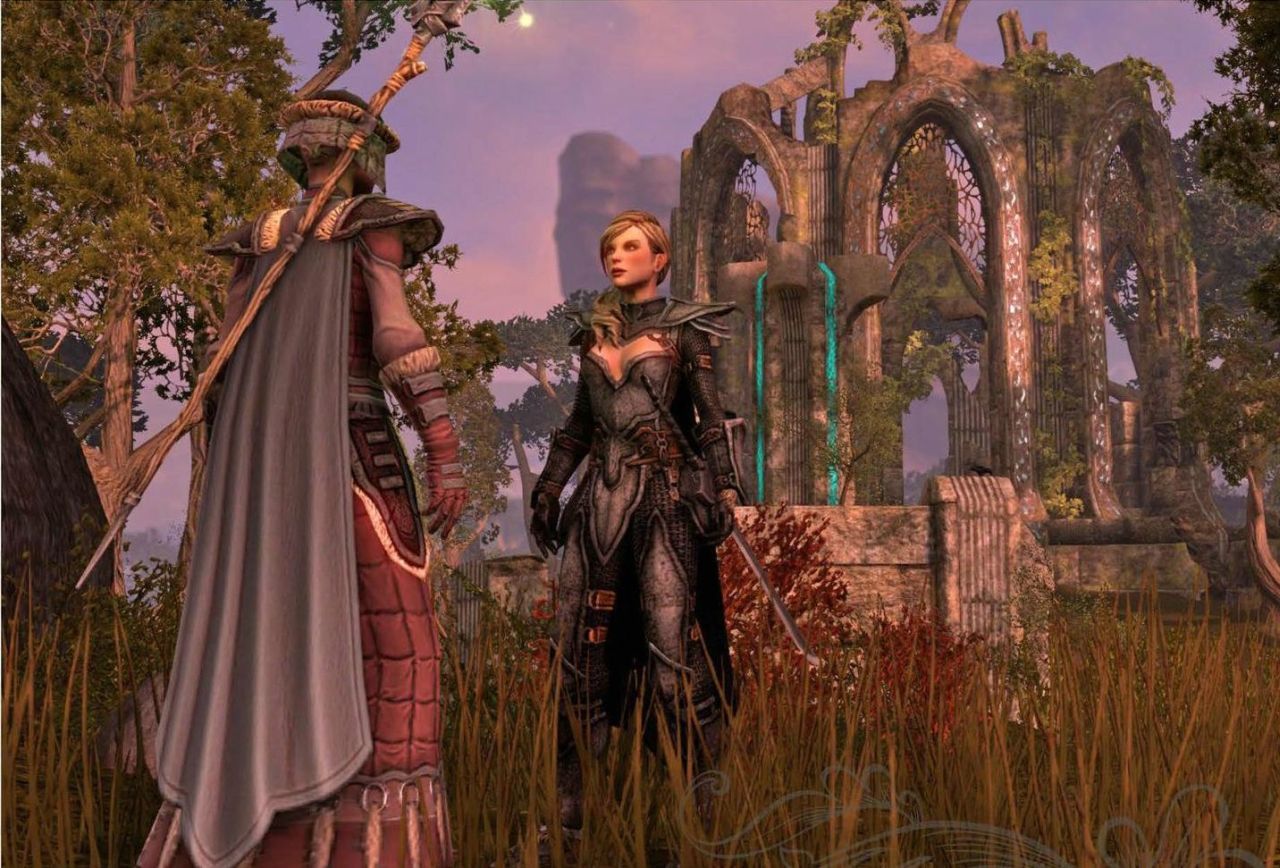
In summary Dancey suggests that while the traditional big-budget MMORPG might be becoming an outdated concept, that’s due to the efficiency and cost effectiveness of smaller scale projects rather than a reliance on outdated subscription models.
”My opinion is that the era of the multi-hundred million dollar budget theme park style MMO is ending. The economics of the market seem to be indicating that smaller more focused games with faster development timelines and much smaller budgets will lead to better returns and more successful outcomes.”
“But I remain convinced that the market is going to continue to support subscriptions for these games regardless of budget so long as the subscriptions are intelligently linked to a microtransaction model as well. The evidence of ongoing success with that model seems incontrovertible and the implication that there are millions of people happily paying for game subscriptions shouldn’t be controversial to anyone who digs into the numbers.”
You can read the full article here.